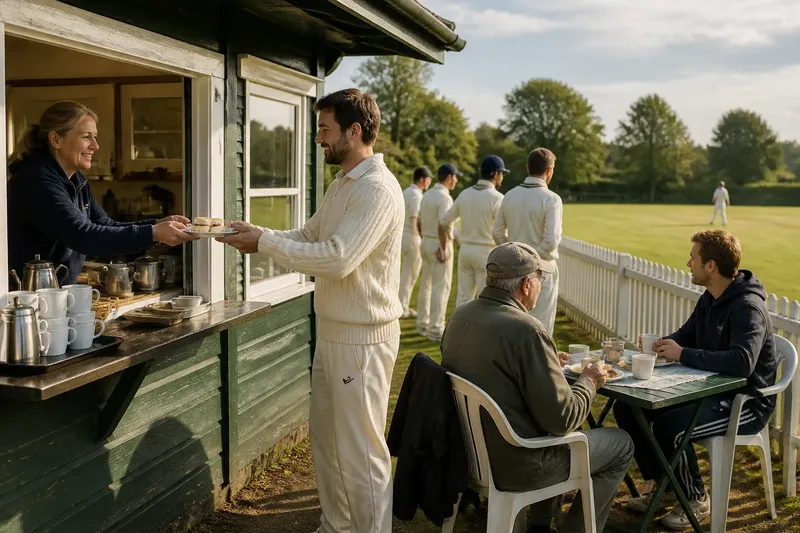
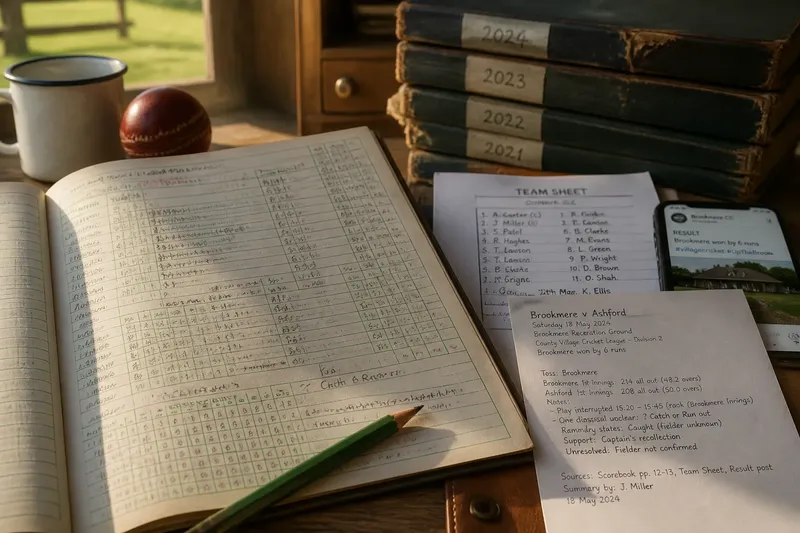
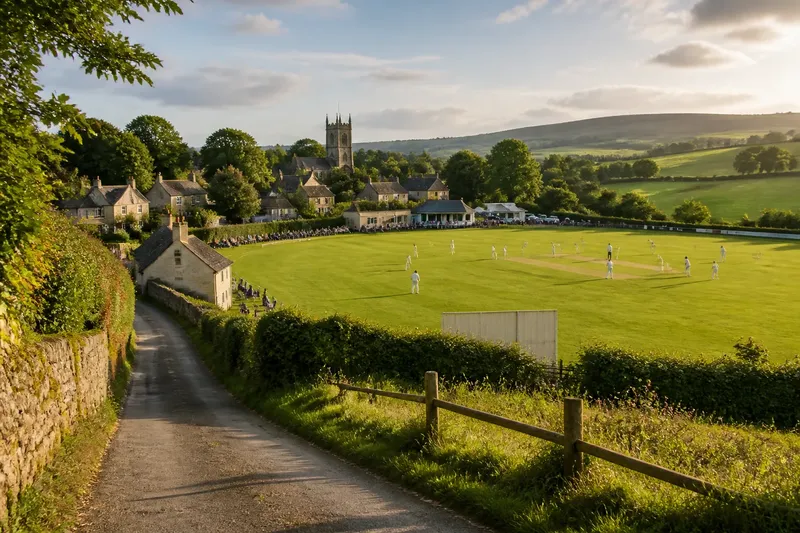
Why the Pavilion Sits Where It Does
Why the pavilion sits where it does affects sightlines, routes and gathering places. Learn how to read your ground and choose a sensible layout adjustment.
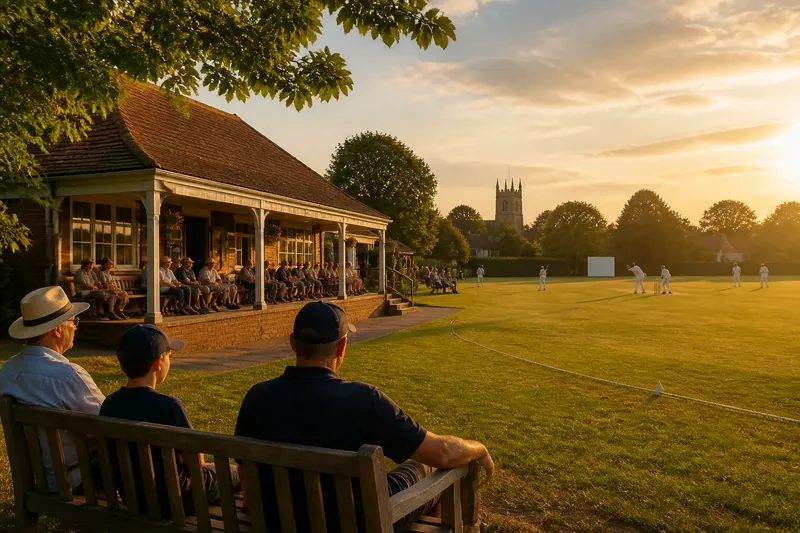
The common mistake with a pavilion is to treat its location as a matter of convenience alone: beside the car park, near the square, or wherever space remains. That can leave spectators squinting into the sun, players crossing the busiest route, or visitors unsure where to gather. To understand why the pavilion sits where it does, follow the ground’s actual patterns of use rather than an imagined standard layout.
A close pavilion can still give spectators a poor view
A pavilion can be near the pitch and still offer a poor view. A low roofline, hedge, sight screen or the angle of the square may hide part of the play from the doorway or nearest benches. The building’s position may have made sense for access or available land, even if the view from inside was not the main consideration.
Walk the spectator area at eye level rather than judging from a photograph. Look from the benches, the open doorway and any covered seating. Notice where the bowler runs in, where the batter stands and whether a nearby tree or boundary feature cuts across those sightlines. A useful view lets people follow the action without leaning round obstacles.
If an obstruction is local, try shifting movable benches or using another standing spot before considering any change to the building. A hedge or screen may serve a purpose, so do not remove or alter it casually. A small seating adjustment may connect the pavilion more closely to the match without changing the ground itself.
The sun can make one side uncomfortable
Glare can make a pavilion-facing view awkward at particular times of day. The problem often comes from the relationship between the building, the playing direction and the open side of the ground, rather than from a poor pavilion in isolation. A doorway that feels inviting in the morning may face a low sun later, while an exposed bench can become difficult to use.
Observe the ground at the times when people actually arrive and watch. Note which seats are shaded, where players look while fielding and whether pavilion windows reflect light towards the square. If discomfort affects only part of the day, changing where spectators sit may be more sensible than treating the building as misplaced.
Say a club has a pavilion doorway that faces the evening sun, and parents tend to gather beside it. The club moves two benches to a shaded spot with a clear view of the square, then watches the next ordinary matchday. If people sit there and can follow play without crowding the route, the move has addressed both comfort and visibility; if they avoid the benches or cannot see the action, the club should try another position rather than treating the first arrangement as a success.
Crossing routes can interrupt play
A pavilion often acts as a hinge between the square, the boundary and the club’s indoor space. Trouble starts when the shortest route for spectators is also the players’ route to the field, or when people heading to the entrance drift across a bowler’s approach. The cause may be a narrow gap, a gate placed on the natural walking line, or simply a habit formed because one route feels easiest.
Watch a changeover or a busy arrival rather than guessing from an empty ground. Where do players leave from? Which way do visitors come in? Do children follow the boundary edge, or cut between the pavilion and the square? A repeated crossing point tells you more than the building’s distance from the pitch.
Try making the preferred walking route obvious with an open gate, a clear path or a temporary sign, then ask people to keep the playing approach clear. The aim is not a grand circulation plan; it is to reduce crossing at the spot where it interrupts play or makes newcomers hesitate.
The building can feel separate from the gathering
Some buildings sit at the edge of a ground and still feel central to the day. Others stand close to the square but seem strangely separate. The difference can come from a blank wall facing the field, a door that opens away from the natural gathering place, or a path that takes visitors round the back before they find the entrance.
Look for the first place people pause after arriving. If they gather by a boundary gate instead of the pavilion, consider what the building offers from that approach: a visible door, a place to sit, a view of the match, or a clear invitation to come in. A pavilion need not dominate the ground, but its entrances and outward-facing spaces can help it join the life around it.
Where possible, make the route from the main arrival point easy to read and keep the approach free of stored kit or closed gates. If the field-facing side has no natural stopping place, chairs or a bench may help people settle without blocking a path.
What should you consider before changing the pavilion layout?
Should the pavilion always face the pitch?
No. A direct view can be useful, but access, sunlight, drainage, boundaries and the shape of the available land may favour another orientation. Judge the layout by whether people can watch comfortably from the places they actually use.
Can a pavilion be too close to the square?
Yes, if its doors or the route past it intrude on play, or if the building blocks useful sightlines. Distance alone is not the issue; people, players and equipment need room to move without conflict.
Why is the entrance on the side away from spectators?
The entrance may follow an existing path, a boundary or the building’s practical access needs. If visitors struggle to find it, make the approach clear with a sign and an unobstructed route rather than assuming the pavilion must move.
What should you check before changing the layout?
Check who owns or manages the ground, how the space is used during a match, and whether any boundary, access or building requirements apply. Follow relevant rules and manufacturer instructions, and ask an appropriate qualified professional where a change depends on them.
Use observations to decide whether an adjustment works
Moving a bench may improve a view yet narrow a path. Opening a side gate may ease arrival but send people across a playing route. Before a small, reversible trial, choose the exact spot and agree what you will observe during an ordinary club day. Check the view, the route and whether visitors can find the entrance; if one gets worse, move the bench or sign elsewhere, or undo the change.
- Check whether spectators can see the bowler’s approach and the batter from the proposed bench; if both are visible without leaning round an obstacle, keep that position, but if either is obscured, move the bench to another clear sightline.
- Check whether the bench leaves the existing walking path clear; if people can pass without stepping into the playing route, keep it there, but if the path narrows or becomes a crossing point, return the bench to its previous place.
- Check whether the low sun falls across the proposed seats during the usual viewing period; if spectators can look towards the square comfortably, retain the shaded position, but if glare still obstructs the view, try a different side.
- Check whether players can reach the field without crossing the main spectator route; if their path stays clear during a changeover, keep the route arrangement, but if people still cross it, use another gate or mark a different walking route.
- Check whether a newcomer can spot the pavilion entrance from the arrival path; if the door and approach are easy to recognise, keep the sign or seating arrangement, but if visitors hesitate or gather at the wrong gate, make the route clearer.
- Check whether the adjustment blocks a gate, boundary access or stored-equipment route; if all remain usable, keep the trial in place, but if any is obstructed, remove or reposition the bench or sign.
Imagine a club wants to move two benches away from an evening glare patch. Its starting point is a pair of benches beside the pavilion doorway, where spectators have a direct view but face the low sun. The club places them on the shaded side, first checking that the doorway, boundary gate and players’ approach remain clear. During the next ordinary matchday, a volunteer notes whether spectators choose those seats, whether they can follow the batter and bowler, and whether anyone has to walk through the playing route. If spectators settle there, keep their view of play and leave the route clear, the club has a workable position; if the view is blocked or the path becomes crowded, move the benches again or restore the original arrangement. The trade-off is explicit: shade is useful only if it does not cost a clear view or an easy route.
Why the pavilion sits where it does is often written in the paths people have made around it. Follow those paths carefully, and the next improvement can be modest, local and better suited to the character of that particular ground. For a pavilion layout that feels awkward, keep the change reversible and let what people can see and where they can walk guide the next decision.